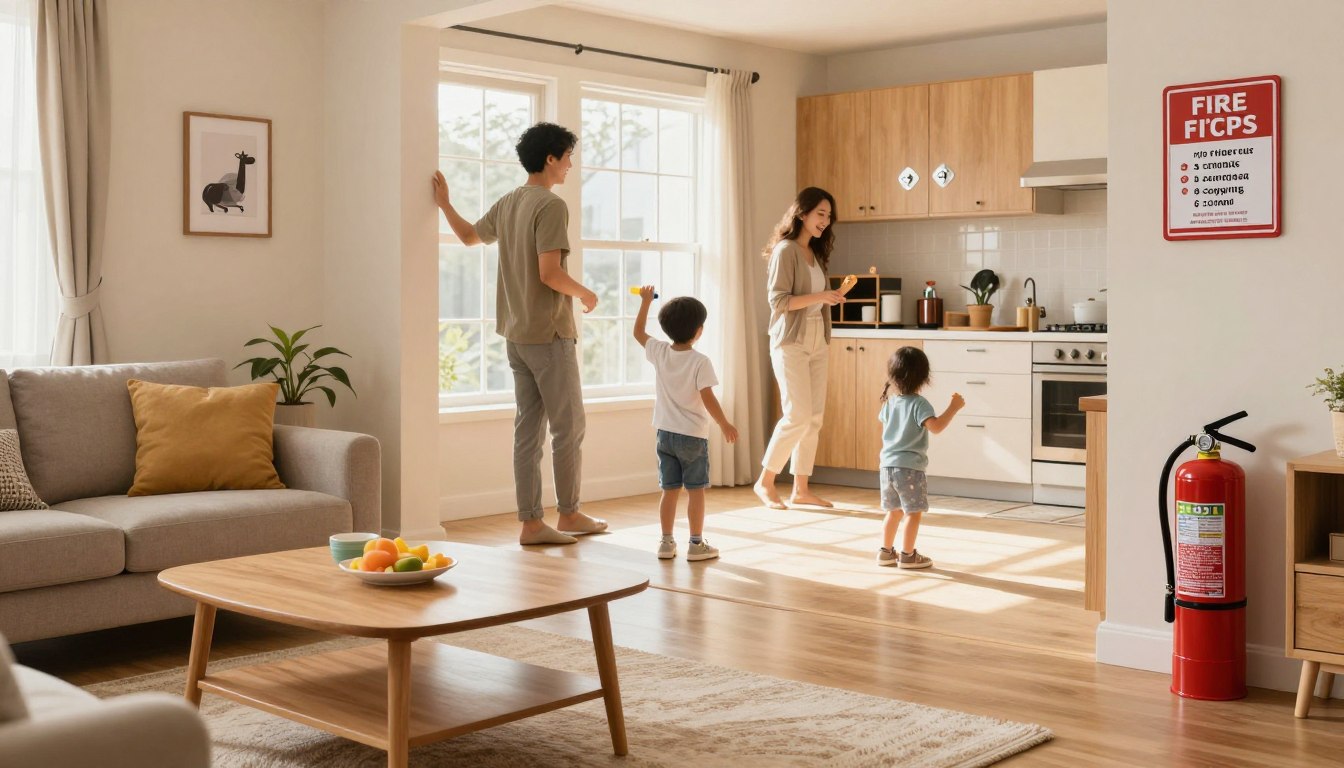
Are you aware of the hidden dangers lurking in your own home? Accidents can happen anytime, and it’s crucial to be prepared.
Creating a safe home environment is a top priority, especially for families with young children or elderly members. Simple safety measures can significantly reduce the risk of injuries and fatalities.
By being informed and taking proactive steps, you can prevent common accidents and ensure a secure living space. In this article, we’ll explore effective household safety measures to protect your loved ones.
Key Takeaways
- Identify potential hazards in your home
- Implement simple safety measures to prevent accidents
- Create a safe environment for children and elderly
- Stay informed about effective household safety measures
- Take proactive steps to prevent common accidents
Understanding the Risks: Common Household Accidents and Prevention
Understanding the risks associated with common household accidents is the first step towards creating a safer living environment. Accidents at home can happen to anyone, at any time, and being aware of the potential hazards is crucial for household injury prevention.
Statistics on Home Accidents in the United States
The statistics on home accidents in the U.S. are alarming. According to the National Safety Council, millions of people are treated in emergency rooms each year for injuries sustained at home. These accidents range from slips and falls to poisoning and fires. The financial burden of these accidents is also significant, with costs including medical expenses and lost productivity.
The data underscores the importance of accident-proofing your house to prevent such incidents. By understanding where the risks lie, homeowners can take proactive steps to mitigate them.
Most Vulnerable Groups: Children and Elderly
Certain groups within the population are more susceptible to household accidents. Children, due to their curiosity and lack of awareness, and the elderly, because of decreased mobility and reaction time, are particularly at risk. For children, hazards such as choking hazards and poisoning are significant concerns, while the elderly are more likely to suffer from falls and related injuries.
Preventing accidents among these groups requires tailored strategies, including securing toxic substances out of reach and installing safety gates at stairs for children, and improving lighting and removing tripping hazards for the elderly.
The Hidden Dangers in an Average Home
Many household accidents are caused by hazards that are often overlooked. For example, electrical cords can be a tripping hazard, and improperly maintained appliances can lead to fires. Additionally, the improper storage of chemicals and medications can lead to poisoning. Being aware of these hidden dangers is key to preventing accidents at home.
By identifying these risks and taking steps to mitigate them, individuals can significantly reduce the likelihood of accidents occurring. This includes regular home maintenance, being mindful of potential hazards, and taking proactive measures such as installing safety devices.
Fall Prevention: The Most Common Household Injury
Falls are a leading cause of injury in homes across the United States, making fall prevention a critical aspect of household safety. Ensuring that your home is free from fall hazards can significantly reduce the risk of accidents, particularly among vulnerable groups such as children and the elderly.
Identifying Fall Hazards Throughout Your Home
To effectively prevent falls, it’s essential to identify potential hazards within your home. This involves a thorough examination of all areas, including living rooms, bedrooms, kitchens, bathrooms, and stairways.
Securing Rugs and Eliminating Tripping Hazards
One common tripping hazard is loose or unsecured rugs. To mitigate this risk, ensure that all rugs are securely fastened to the floor using non-slip underlays or double-sided tape. Additionally, keep walkways clear of clutter, cords, and other obstacles that could cause tripping.
Safety Modifications for Bathrooms and Stairs
Bathrooms and stairs are particularly prone to falls due to their nature and the activities performed in these areas. Implementing safety modifications can significantly enhance safety.
Installing Grab Bars and Non-Slip Surfaces
In bathrooms, installing grab bars near the shower, bathtub, and toilet can provide necessary support and balance. Furthermore, applying non-slip surfaces or mats in the shower and bathtub can reduce the risk of slipping.
Proper Stair Maintenance and Handrails
For stairs, ensuring that handrails are sturdy and properly installed on both sides of the staircase is crucial. Regular maintenance, such as checking for loose steps or carpeting and ensuring adequate lighting, is also vital.
Proper Lighting and Organization to Prevent Trips
Adequate lighting and organization are key factors in preventing trips and falls. Ensuring that all areas of the home are well-lit, especially stairways and hallways, can help individuals navigate safely. Organizing living spaces to minimize clutter and tripping hazards further contributes to a safer environment.
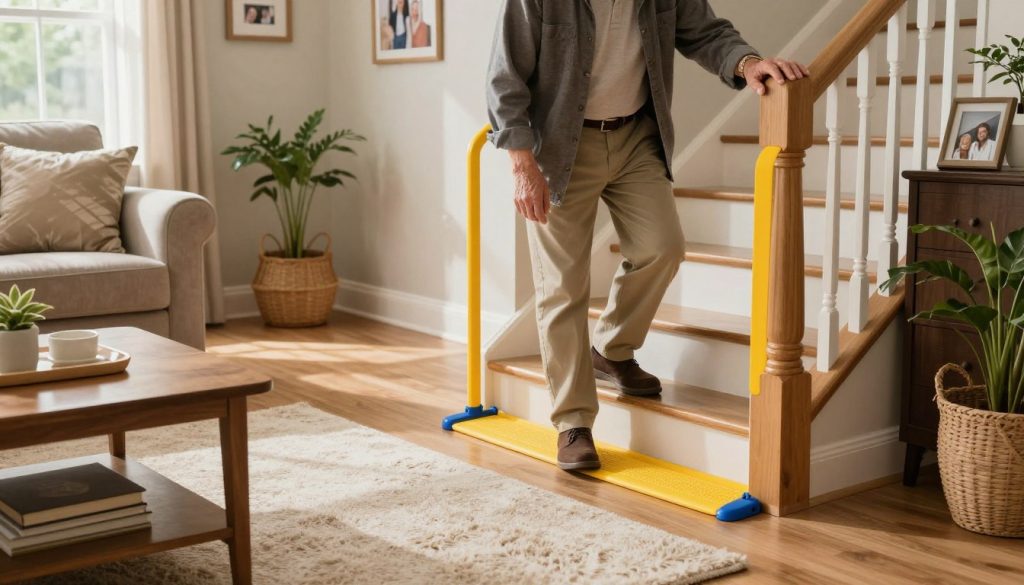
By implementing these measures, homeowners can significantly reduce the risk of falls, creating a safer and more secure living environment for everyone, especially children and the elderly.
Fire and Electrical Safety Measures
Implementing fire and electrical safety measures can significantly reduce the risk of accidents at home. Ensuring that your home is equipped with the necessary safety devices and that your family knows how to respond in case of an emergency is crucial for preventing injuries and fatalities.
Kitchen Safety: Preventing Cooking Fires
The kitchen is one of the most common areas where fires can start, often due to unattended cooking or malfunctioning appliances. To prevent cooking fires, it’s essential to stay vigilant while cooking and to keep a fire extinguisher nearby.
Safe Cooking Practices and Equipment
Safe cooking practices include never leaving cooking unattended, keeping a lid or tray nearby to smother a pan fire, and ensuring that your cooking equipment is well-maintained.
- Always stay in the kitchen while cooking.
- Keep flammable materials away from heat sources.
- Regularly inspect and maintain your cooking appliances.
Smoke Detectors and Fire Escape Plans
Smoke detectors are your first line of defense against fires. Ensuring that you have working smoke detectors on every level of your home and inside each sleeping area can significantly reduce the risk of fire-related injuries and deaths.
Creating and Practicing Family Evacuation Routes
A well-planned fire escape plan can save lives. It’s crucial to create a plan that includes at least two ways out of each room and to practice it with all family members.
- Identify at least two escape routes from every room.
- Designate a meeting spot outside the home where everyone can gather once they’ve escaped.
- Practice the escape plan twice a year.
Electrical Hazard Prevention
Electrical hazards can lead to fires, shocks, and other accidents. Being mindful of how you use electricity in your home can help prevent these hazards.
Outlet Safety and Cord Management
Outlet safety involves avoiding overloading outlets and keeping them away from water. Proper cord management includes keeping cords organized and out of walkways to prevent tripping.
- Use surge protectors to prevent overloading outlets.
- Keep cords away from heat sources and water.
- Regularly inspect cords for damage and replace them if necessary.
By implementing these fire and electrical safety measures, you can significantly enhance the safety of your home environment and protect your family from potential hazards.
Preventing Poisoning, Choking, and Drowning
Household safety encompasses a broad range of hazards, including poisoning, choking, and drowning, which can be mitigated with the right precautions. Ensuring a safe home environment requires attention to these potential dangers and implementing effective safety measures.
Safe Storage of Medications and Chemicals
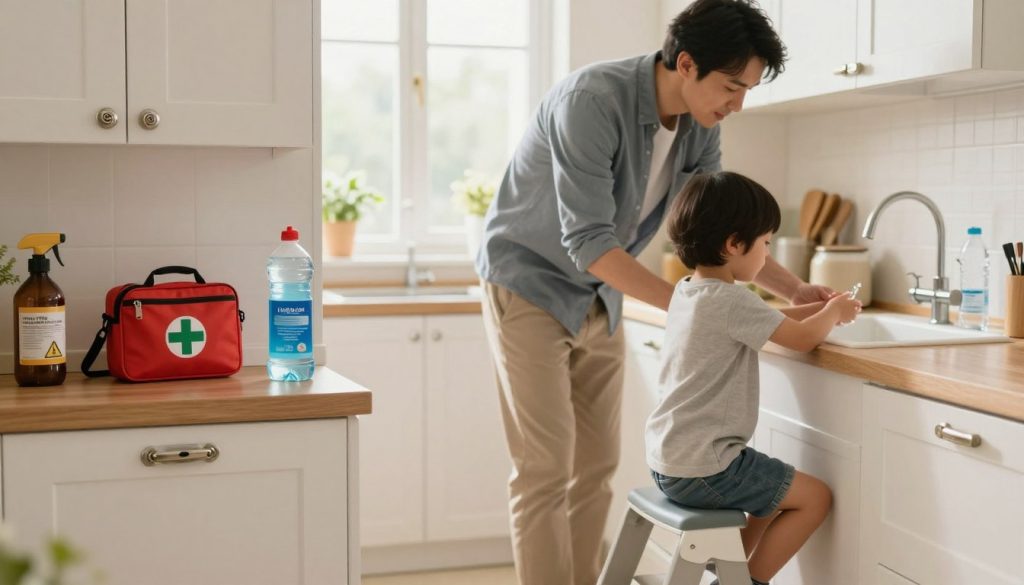
One of the critical steps in preventing poisoning is the safe storage of medications and household chemicals. This involves keeping these substances out of reach of children and ensuring they are stored in their original containers.
Child-Proof Locks and High Storage Solutions
Using child-proof locks on cabinets and storing hazardous materials on high shelves are effective strategies for preventing accidental ingestion. It’s essential to install these locks correctly and ensure that all family members understand their importance.
| Safety Measure | Description | Benefit |
|---|---|---|
| Child-Proof Locks | Locks that prevent children from opening cabinets | Prevents accidental ingestion of hazardous substances |
| High Storage | Storing hazardous materials on high shelves | Reduces the risk of children accessing dangerous substances |
Carbon Monoxide Detection and Prevention
Carbon monoxide is a silent killer that can be present in homes due to faulty heating systems or generators. Installing carbon monoxide detectors is crucial for early detection and prevention of carbon monoxide poisoning.
Ensure that detectors are placed near sleeping areas and on every level of the home. Regular maintenance of heating systems and never using generators indoors are also vital safety measures.
Choking Hazards: Identification and Prevention
Choking hazards are a significant risk, especially for young children. Identifying potential choking hazards, such as small objects or certain foods, and taking steps to mitigate these risks is crucial.
- Keep small objects out of reach
- Supervise mealtime
- Avoid giving children under 4 years old certain foods like nuts or hard candies
Water Safety Inside and Around the Home
Drowning can occur in any amount of water, making it essential to implement water safety measures both inside and around the home. This includes supervising children when they are in or near water and securing pools and hot tubs.
Bathroom Safety and Supervision
Bathrooms can be particularly hazardous due to the presence of water. Never leave children unattended in the bathtub, and consider installing anti-scald devices to prevent burns.
By taking these precautions and being mindful of the potential hazards, households can significantly reduce the risk of poisoning, choking, and drowning accidents.
Conclusion: Creating a Safety-Conscious Household
Creating a safe home environment requires attention to detail and a proactive approach to household safety measures. By understanding the risks associated with common household accidents, homeowners can take steps to mitigate these risks and prevent injuries.
Implementing fall prevention strategies, such as installing handrails and improving lighting, can significantly reduce the risk of falls. Additionally, being mindful of fire and electrical safety measures, such as maintaining smoke detectors and avoiding overloaded outlets, can help prevent fires.
By taking a comprehensive approach to avoiding common household accidents, homeowners can create a safe and secure environment for themselves and their loved ones. This includes being aware of potential hazards, such as poisoning, choking, and drowning risks, and taking steps to mitigate these risks.
By prioritizing creating a safe home environment, individuals can enjoy peace of mind and a reduced risk of injury or harm. By following the guidelines outlined in this article, homeowners can take the first step towards creating a safety-conscious household.