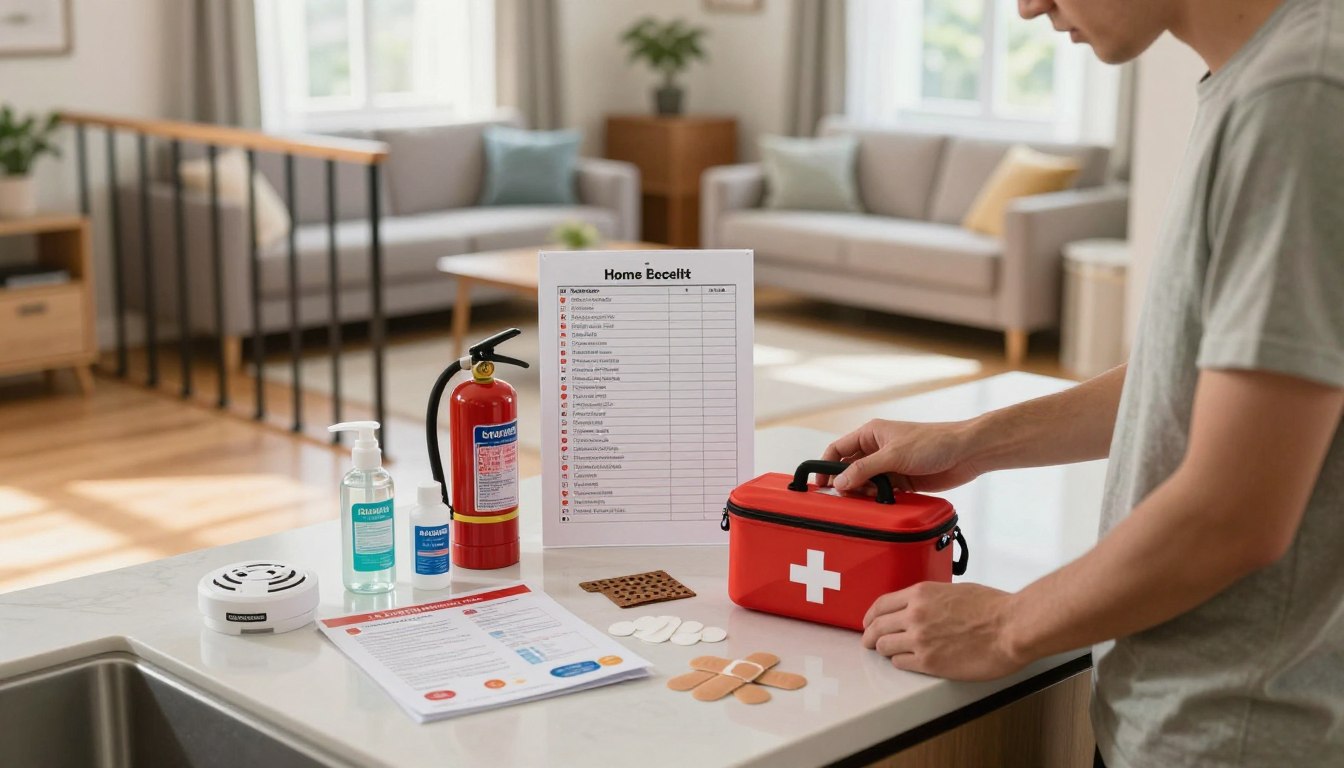
Have you ever wondered how to react in the event of a home accident? Experiencing such an incident can be stressful and overwhelming. Knowing the right steps to take immediately after can make a significant difference in ensuring safety and facilitating recovery.
Being prepared and knowing how to respond effectively is crucial. This section will outline the essential steps to take after a home accident, emphasizing the need for a calm and informed response.
Key Takeaways
- Stay calm and assess the situation
- Ensure your safety and the safety of others
- Take necessary measures to prevent further damage
- Document the incident for future reference
- Seek professional help when needed
Immediate Actions to Take After a Home Accident
When a home accident occurs, the initial response is critical to ensuring safety and minimizing further risks. The immediate actions taken can significantly impact the outcome, making it essential to be prepared and know the right steps to take.
Securing the Area to Prevent Further Injuries
The first step after a home accident is to secure the area to prevent any further injuries. This may involve turning off utilities such as gas or electricity if it’s safe to do so, or evacuating the premises if there’s a risk of fire or structural damage.
It’s crucial to identify potential hazards and take immediate action to mitigate them, ensuring the environment is safe for everyone involved.
Calling for Emergency Assistance When Necessary
If the accident is severe or there’s an immediate risk to health and safety, calling for emergency assistance is paramount. This could involve dialing emergency services or alerting neighbors who can provide immediate help.
Remaining calm during this process is vital, as it allows for clear communication with emergency responders and ensures that the situation is assessed accurately.
Stabilizing the Situation and Remaining Calm
After securing the area and calling for help if needed, the next step is to stabilize the situation. This involves providing basic first aid if you’re trained to do so, and keeping everyone calm until professional help arrives.
“Staying calm is not just about managing your own stress; it’s also about helping others around you to remain calm and follow instructions.”
By following these immediate actions, individuals can effectively respond to home accidents, minimizing risks and ensuring the best possible outcome.
Assessing and Addressing Injuries
In the immediate aftermath of a home accident, assessing and addressing injuries is paramount. The ability to respond effectively can significantly impact the outcome for those injured.
Basic First Aid for Common Injuries
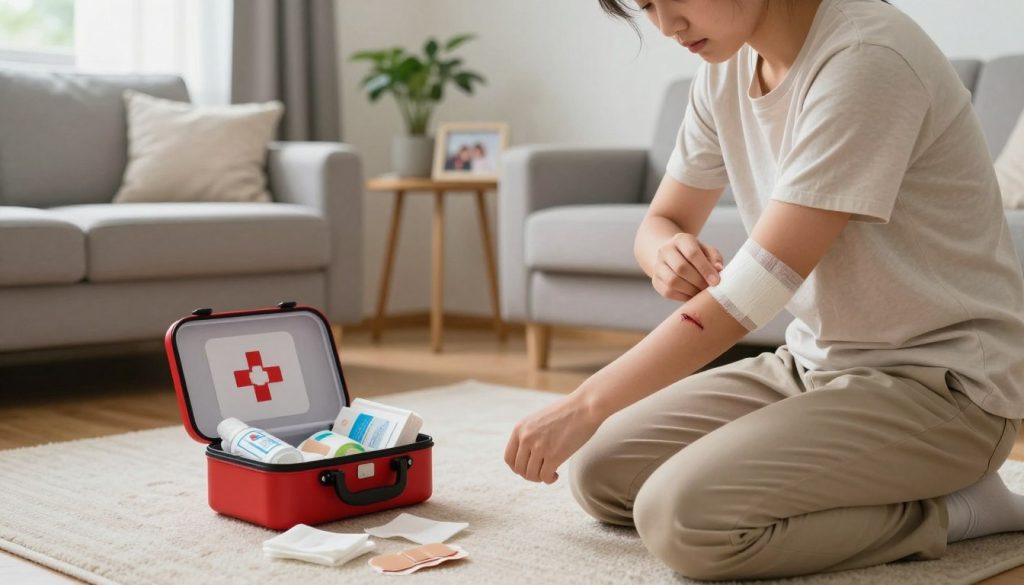
Performing basic first aid is crucial for common home injuries. For minor cuts, cleaning the wound with soap and water and applying a bandage can prevent infection. In cases of minor burns, cooling the burn with cool (not cold) water for 10-15 minutes can help alleviate the pain.
It’s essential to have a first aid kit readily available in your home, stocked with supplies such as bandages, antiseptic wipes, and pain relievers.
Recognizing Signs for Immediate Medical Attention
Some injuries require immediate medical attention. Signs that indicate a need for urgent care include severe bleeding, difficulty breathing, severe burns, and signs of shock. Recognizing these signs early can be lifesaving.
“The key to managing injuries effectively is being able to identify when medical help is needed.” – Medical Expert
Handling Specific Types of Home Accidents
Different types of home accidents require specific responses. Understanding how to handle these can minimize harm.
Falls and Slips
For falls, checking for head injuries and immobilizing any potentially broken limbs is crucial.
Burns and Scalds
For burns, cooling the area and covering it with a non-stick dressing can help.
Cuts and Lacerations
For cuts, applying pressure to stop bleeding and cleaning the wound is essential.
By understanding the appropriate responses to different types of home accidents, individuals can better manage the home accident aftermath and follow a proper home injury protocol.
What to Do After a Home Accident: Documentation Steps
Proper documentation following a home accident can significantly impact the outcome of insurance claims and legal proceedings. It’s essential to gather as much information as possible to support your case.
Photographing the Accident Scene and Injuries
Capturing images of the accident scene and any injuries sustained is a critical step in documenting a home accident. Take clear, well-lit photos from multiple angles to provide a comprehensive view of the scene and the damage or injuries. This visual evidence can be invaluable for insurance adjusters and legal professionals.
Recording Important Details and Witness Statements
In addition to photographs, it’s crucial to record important details about the accident, including the date, time, and circumstances surrounding the incident. If there were any witnesses, obtain their contact information and a statement detailing what they saw. This information can help corroborate your account of the accident.
Creating a Timeline of Events for Insurance or Legal Purposes
Creating a detailed timeline of events leading up to and following the accident can help organize your thoughts and evidence. This timeline should include any relevant interactions with insurance companies, medical professionals, and legal representatives. A well-structured timeline can be a powerful tool in supporting your insurance claim or legal case.
| Documentation Step | Description | Importance |
|---|---|---|
| Photographing the Scene | Capturing images of the accident scene and injuries | Provides visual evidence for insurance and legal purposes |
| Recording Details | Documenting the date, time, and circumstances of the accident | Helps establish the facts of the incident |
| Witness Statements | Obtaining statements from witnesses | Corroborates your account of the accident |
| Timeline of Events | Creating a chronological account of the accident and its aftermath | Organizes evidence and supports insurance or legal claims |
Recovery and Follow-Up Procedures
Recovering from a home accident is not just about immediate medical care; it’s about navigating a complex process that includes insurance claims and property repairs. Having a clear plan in place can make a significant difference in your overall recovery.
Navigating Insurance Claims After a Home Accident
Dealing with insurance companies can be daunting, but it’s a crucial step in recovering from a home accident. To navigate this process effectively:
- Notify your insurance provider as soon as possible after the accident.
- Gather all necessary documentation, including photos of the accident scene and any injuries.
- Keep a detailed record of all correspondence with your insurance company.
Understanding your policy and knowing what you’re entitled to can help streamline the claims process.
Managing Physical and Emotional Recovery
Accidents at home can have both physical and emotional impacts. Managing your recovery involves:
- Following your doctor’s advice and attending follow-up appointments.
- Seeking support from family, friends, or professional counselors if you’re experiencing emotional distress.
- Gradually returning to your normal activities to avoid overexertion.

Addressing Property Damage and Making Necessary Repairs
After a home accident, assessing and addressing property damage is essential. This involves:
- Documenting the damage with photographs and videos.
- Contacting professionals for necessary repairs or replacements.
- Keeping receipts for any expenses related to the repairs.
Having a clear plan for property repairs can help you restore your home to its original condition and prevent future accidents.
By following these steps and having a comprehensive home accident recovery plan in place, you can respond to accidents at home more effectively and minimize their impact on your life.
Conclusion: Preventing Future Home Accidents
After a home accident, it’s essential to have a home accident recovery plan in place to minimize the impact and ensure a smooth recovery process. By following the steps outlined in the previous sections, you can effectively manage the aftermath of an accident and take proactive measures to prevent future incidents.
To enhance home safety, consider conducting regular safety audits to identify potential hazards, such as slippery floors or faulty electrical wiring. Installing safety devices, like smoke detectors and handrails, can also significantly reduce the risk of accidents.
Being prepared and proactive is key to minimizing the risk and impact of home accidents. By having a comprehensive home accident recovery plan and taking steps to prevent future accidents, you can create a safer and more secure living environment for yourself and your loved ones.